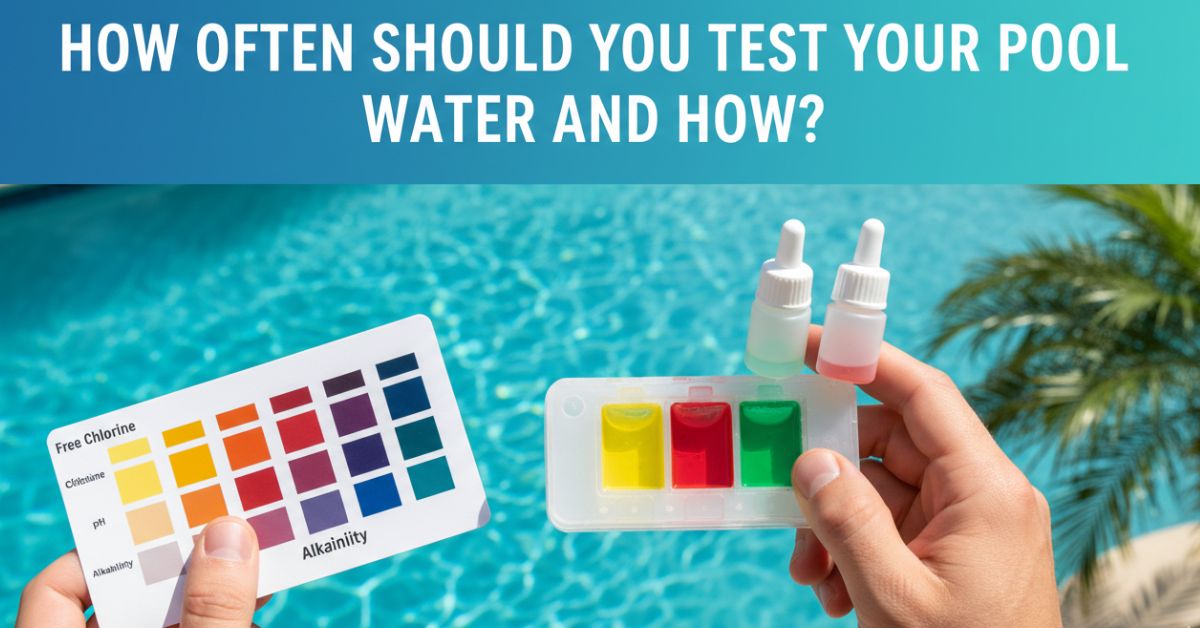
Owning a pool means pool water testing is not an option; it is what differentiates “fine” water from “safe” water to swim in. Unfortunately, many pool owners have found this out the hard way by developing symptoms such as itchiness, burning eyes, cloudy water, or equipment issues that seem to come out of nowhere.
Testing tells you what your eyes can’t. And once you understand how often it needs to happen, and how simple it really is, pool water testing becomes just another easy habit, like skimming leaves or checking the filter.
Why Pool Water Testing Matters More Than Most People Realize
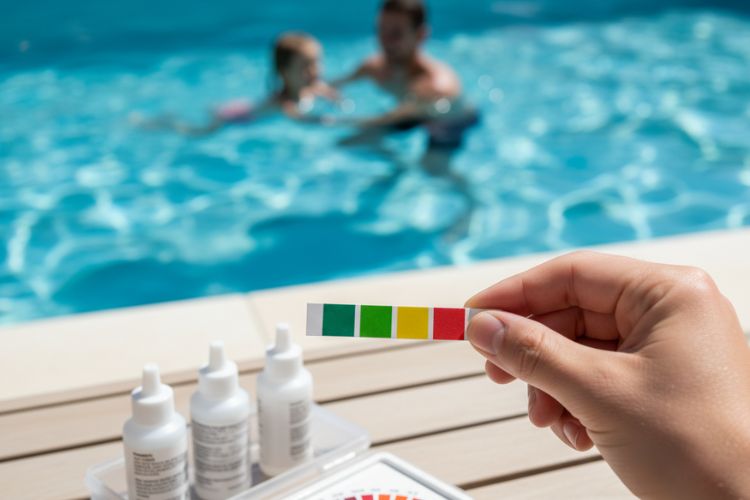
Pool water changes constantly, even when no one is swimming. Sunlight breaks down chlorine. Rain dilutes chemicals. Leaves, dust, sunscreen, and sweat quietly throw off balance. Without regular pool water testing, those small shifts pile up fast.
Control is the goal, not perfection. Proper testing helps to ensure that the sanitizer is working properly, the pH is in a comfortable range, and the surfaces or equipment are not being damaged at a slow pace over time. Most long-term issues with pools begin small due to missed testing or delayed responses to day-to-day maintenance of the pool water care.
How Often to Test Pool Water Without Overthinking It
So, how often should you test pool water? For most average backyard pools, testing your pool water about 2-3 times a week during swim season should provide you with sufficient information to make early changes without making maintenance an everyday chore.
During heavy use, think pool parties, extreme heat, or long sunny stretches, daily testing makes sense. The same goes after storms or when water looks even slightly “off.” Understanding how often you should check pool chemicals really comes down to how much stress your pool is under at the moment.
When to Test Pool Water for the Most Reliable Readings
Knowing when to test pool water can make your results far more accurate. Early morning or early evening works best, before sunlight has time to burn off chlorine and skew readings.
Testing right after adding chemicals can be misleading. Give the water time to circulate, usually 12 to 24 hours, before retesting. After a busy swim day or bad weather, testing the next morning gives a clearer picture and helps keep pool water care on track.
What Pool Water Testing Should Actually Measure
Testing chlorine alone isn’t enough. Good pool water testing looks at the whole picture, because each level affects the others.
Key Levels You Should Pay Attention To
- Sanitizer (chlorine or alternative): Keeps bacteria and algae under control
- pH: Impacts swimmer comfort and how effective chlorine is
- Total alkalinity: Helps prevent pH from swinging wildly
- Calcium hardness: Protects plaster, tile, and equipment
- Cyanuric acid: Shields chlorine from sunlight
When these stay balanced, pool water care becomes easier, not harder.
How to Test Pool Water Without Making It Complicated
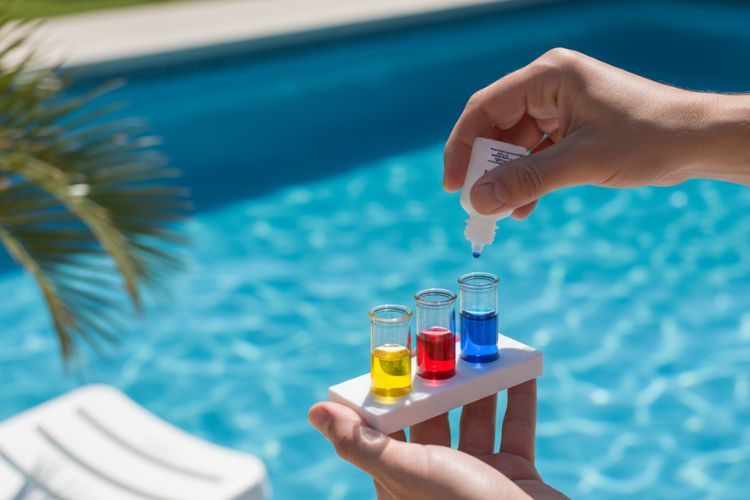
There’s no single “best” method, just the one you’ll actually use consistently.
1. Test Strips
Quick and convenient. They’re great for frequent checks, as long as they’re stored properly and replaced regularly.
2. Liquid Test Kits
More hands-on, but also more precise. Many experienced pool owners prefer them for routine pool water testing because the results are clearer.
3. Digital Testers
These remove much of the guesswork and are helpful if you want fast, repeatable readings, especially when adjusting chemicals often.
The best method is the one that fits your routine and keeps testing consistent.
How Pool Use Changes How Often You Should Test
A quiet pool behaves very differently from one that’s constantly in use. Sunscreen, body oils, dirt, and heat all eat away at the chemical balance. During busy periods, how often you check pool chemicals naturally increases.
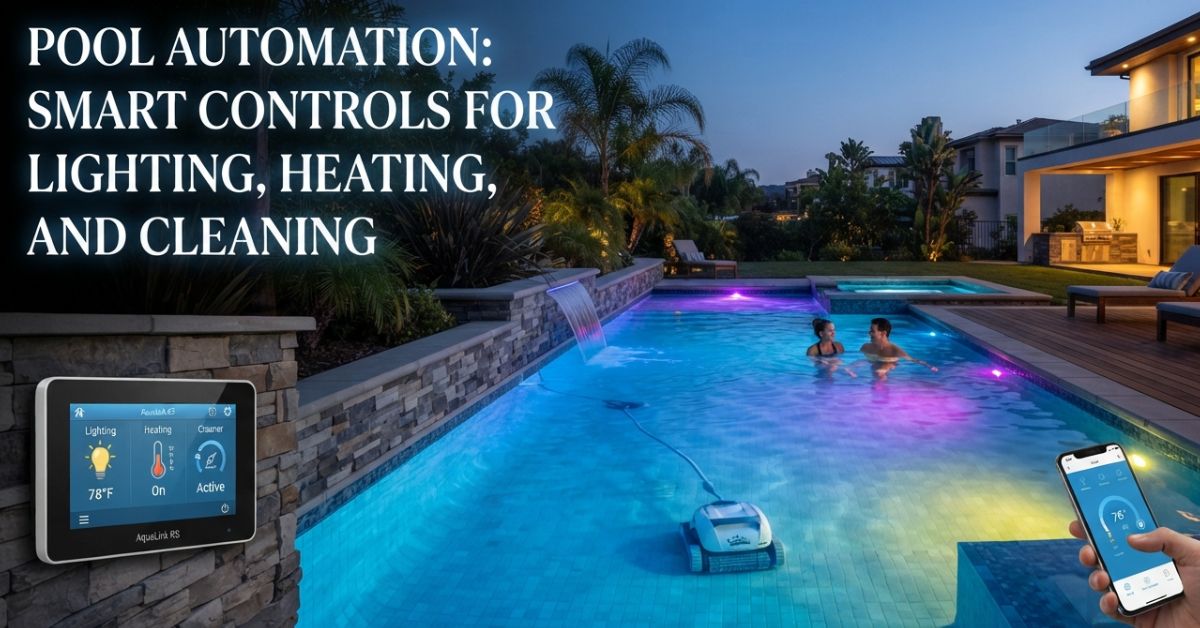
Even with reliable pool cleaning equipment, physical debris removal doesn’t fix chemistry. Clean water still needs balanced chemicals, that’s where consistent pool water care matters most.
Mistakes That Quietly Ruin Pool Water Testing Results
Some errors are easy to miss but make a big difference. Testing near return jets, using expired reagents, or storing test kits in heat can all throw off readings.
Old or poorly stored pool accessories, especially test strips, can make water look balanced when it’s not. Accurate pool water testing depends as much on proper handling as it does on frequency.
What to Do When Pool Test Results Are Out of Range
When numbers aren’t right, resist the urge to fix everything at once. Big chemical swings often cause more problems than they solve.
If water turns cloudy due to suspended particles, flocculant in swimming pools can help by clumping debris so it can be removed more easily. But it works best only after testing confirms other chemical levels are already close to balanced.
Slow, measured adjustments keep pool water carestable and predictable.
How Seasons Affect Pool Water Testing Needs
Summer is the busiest time of year for pool care. Because the heat and sunlight drain the chlorine from pool water quickly, frequent pool water testing during the summer is critical to maintain safe swimming conditions. During the cooler months or with light usage, testing of pool water can be less frequent, but it should never be stopped altogether.
Awareness of the season will help determine how often to test pool water without wasting chemicals or effort.
A Simple Pool Water Testing Routine That Actually Works
Having a consistent and easy way to test the pool water will make everything simpler:
- Test the pool water at approximately the same time each day
- Record your test results in order to find patterns
- Make minor changes to the pool chemistry, rather than large ones
- Retest the pool water prior to swimming after having made a chemical change to the pool
Using this process for testing, it is possible to make your pool water care more predictable instead of reactionary.
FAQs About Pool Water Testing
How often should you check pool chemicals?
Two to three times per week works for most pools, with more frequent testing during heavy use or extreme weather.
When is the best time to test pool water?
Early morning or evening, when sunlight won’t interfere with sanitizer readings.
Can pool water look clean but still be unsafe?
Absolutely. Clear water can still have imbalanced chemistry, which is why regular pool water testing matters.
Are digital testers enough on their own?
They’re helpful, but still need proper calibration and regular use to support long-term pool water care.
Final Thoughts on Pool Water Testing
Good pool water testing doesn’t require obsession, just attention. It keeps swimmers comfortable, equipment protected, and water inviting day after day. Once you understand how often to test pool water, recognize when to test pool water, and stay aware of how often you should check pool chemicals, maintenance stops feeling like work.
Strong pool water care isn’t about chasing perfect numbers. It’s about staying consistent, catching problems early, and letting your pool stay what it’s meant to be, a place to relax, not troubleshoot.