
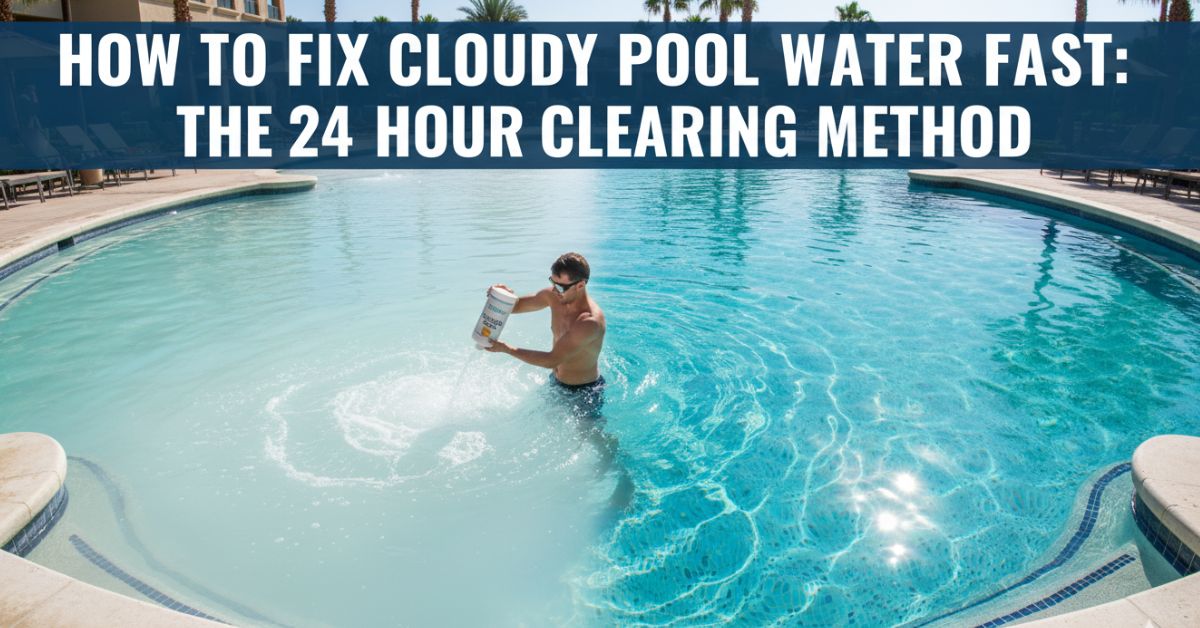
There’s little worse than walking outside and getting ready to go for a dip only to be confronted with cloudy, hazy, or milky-looking water. One minute it’s crystal clear, and the next it isn’t. This is the point people typically start throwing chemicals at it and hoping for the best.
Here’s the truth: you can fix cloudy pool water quickly, often within a day, but only if you slow down and deal with the real problem instead of guessing. Cloudy water isn’t random. It’s a message, and once you understand what it’s saying, clearing it becomes much easier.
What Cloudy Pool Water Is Actually Telling You
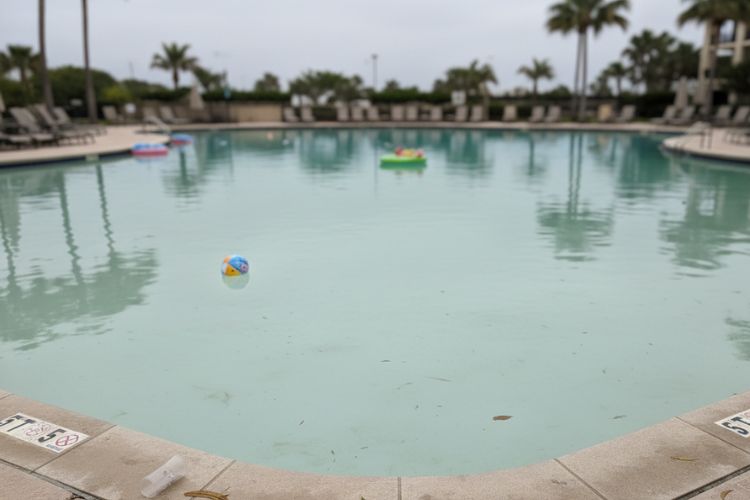
Cloudy water doesn’t mean your pool is dirty in the obvious sense. Most of the time, it means tiny particles are floating around that shouldn’t be there. They’re so small that your filter struggles to catch them, which is why the water looks foggy instead of grimy.
Understanding the cause of cloudy pool water is the key difference between fixing it once and fighting it all season. Poor circulation, unbalanced chemistry, and fine debris usually team up to create that cloudy look. Treating only one of those issues rarely works.
Before jumping into any cloudy pool water treatment, take a breath and figure out what changed. Did the weather shift? Was the pool heavily used? Did maintenance slip for a few days? The answer is usually hiding there.
The Most Common Cause of Cloudy Pool Water
In most backyards, the cause of cloudy pool water comes down to a few repeat offenders.
Low sanitizer levels are at the top of the list. When chlorine can’t keep up, contaminants start hanging around. pH problems are close behind; even if chlorine is present, it won’t work properly when pH drifts too high. Poor filtration makes everything worse by allowing those tiny particles to stay suspended instead of getting trapped.
Add in heavy swimmer use, sunscreen, sweat, or a rainstorm, and suddenly the water looks off. Cloudiness often shows up before algae, which is why acting early matters so much.
Why Cloudy Pool Water Rarely Fixes Itself
Cloudy pool water will not simply clear itself if left alone. When treating cloudy water, your pump needs to be run 24/7 for at least a full day. The added circulation will give your filter time to catch the microscopic particles that are creating the hazy appearance.
That’s why the best way to fix cloudy pool water is to address it as soon as you notice it. Early action means fewer chemicals, less stress on the system, and a much faster recovery. A 24-hour fix is realistic, but only if you stop the problem from growing.
Step One: Test the Water Before Doing Anything Else
If your goal is to fix cloudy pool water, testing has to come first. Skipping this step is how people end up making things worse.
Check chlorine, pH, alkalinity, and calcium hardness. Many pools look cloudy even when chlorine shows up on a test strip, because the pH is too high for it to work effectively. When sanitizer loses its strength, clarity disappears fast.
Testing removes the guesswork and points you toward the right cloudy pool water treatment, instead of throwing chemicals in blindly.
Step Two: Get the Water Back Into Balance

Once you know what’s off, fix the balance before anything else. pH and alkalinity should be corrected first. This alone can make a noticeable difference in just a few hours.
When water is balanced, chlorine can actually do its job. If sanitizer levels are low, bring them up gradually. Big chemical dumps often create new problems. Slow adjustments are usually the best way to fix cloudy pool water without causing side effects.
This step isn’t just about clarity today; it supports long-term pool water care so the problem doesn’t come back.
Step Three: Keep the Water Moving
Cloudy water doesn’t clear if it sits still. During treatment, your pump should run continuously for at least 24 hours. Circulation gives your filter a fighting chance to catch the fine particles causing the haze.
Clean out skimmer baskets and check the filter itself. A dirty system can’t clear water effectively, no matter how perfect the chemistry is. Good circulation is essential for clearing up cloudy pool water, especially when particles are microscopic.
Solid pool cleaning equipment helps here by removing larger debris so the filter can focus on the stuff you can’t see.
Step Four: Give the Filter a Little Help
Sometimes the filter needs backup. If particles are too small to trap easily, a clarifier can help by binding them together into larger clumps.
Used correctly, clarifiers speed up clearing up cloudy pool water and reduce strain on the filter. The key is restraint. Too much clarifier can clog the system and slow everything down.
When used properly, this step is often what pushes the pool from “almost clear” to fully restored.
Step Five: Let Everything Settle and Check Again
After circulation and treatment, test the water again. You should see clearer water and more stable readings.
If cloudiness lingers, check filter pressure and clean or backwash if needed. Most effective cloudy pool water treatment plans work in stages. Rushing corrections usually backfire.
A little patience here saves time later.
Why Cloudy Water Sometimes Comes Back
If you continue to see cloudy water returning, it is very likely due to the continued causes of cloudy pool water. Not doing regular testing, inadequate run times related to pump operation, and not completing proper maintenance are all major contributors to rapidly undoing the results of what you did to clear the water.
The best way to fix cloudy pool water permanently is consistency, balanced chemistry, regular filtration, and quick responses when conditions change.
How Weather and Swimmers Affect Clarity
Rain dilutes sanitizer. Heat burns it off faster. Swimmers introduce oils, sweat, and debris. All of it adds up.
After storms or busy weekends, minor adjustments are normal. Staying ahead of these changes prevents clearing up cloudy pool water from becoming a recurring battle.
FAQs About Cloudy Pool Water
What is the fastest way to fix cloudy pool water?
Test first, balance chemistry, run the pump continuously, and use a clarifier only if needed.
Is cloudy pool water always algae?
No. Chemical imbalance and fine debris are far more common causes of cloudy pool water.
Can I swim while fixing cloudy water?
It’s better to wait until visibility improves and water chemistry is balanced.
Why does my pool look cloudy even with chlorine in it?
High pH or poor circulation can make chlorine ineffective, leading to cloudiness.
Final Thoughts: Clear Water Is About Order, Not Products
To fix cloudy pool water, you don’t need more chemicals; you need the right steps in the right order. When you understand the cause of cloudy pool water, correct the balance first, and support filtration, clarity usually returns faster than expected.
With a consistent approach, clearing up cloudy pool water can take less than a day, and staying on top of maintenance keeps it from happening again. In the long run, the best way to fix cloudy pool water is to make sure it never gets the chance to turn cloudy in the first place.