
A swimming pool is often the most enjoyable part of a home. Families relax there, children play there, and friends gather there. Over time, however, the surface of a pool begins to change. It can lose its shine, develop stains, and start to feel uncomfortable underfoot. This is usually when homeowners begin thinking seriously about pool resurfacing.
Many people feel confused by the choices available. Plaster, pebble, and paint can all sound similar at first, which makes the decision feel overwhelming. This guide is written in clear, simple language to help you understand your options and confidently choose the best pool resurfacing method for your home.
What Pool Resurfacing Really Means?
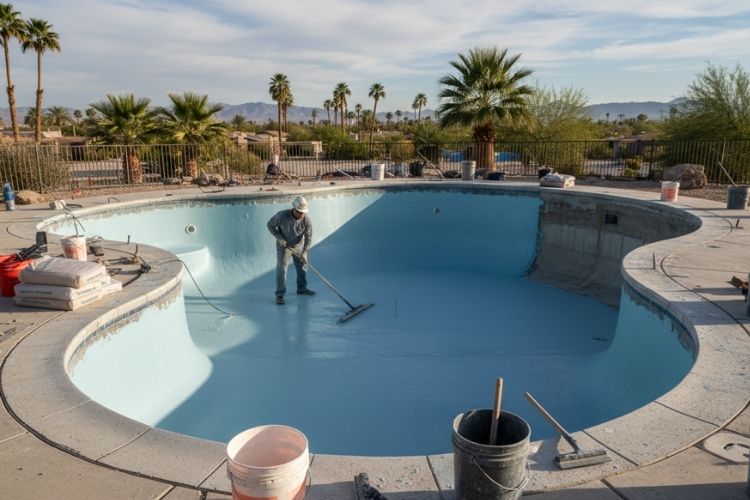
Pool resurfacing is the process of replacing the top layer of your pool while keeping the main structure intact. It is similar to repainting your home, where the walls stay the same but everything looks fresher and feels newer. This simple upgrade can completely transform the overall appearance of your pool.
A new surface does more than improve how your pool looks. It also enhances comfort and safety by preventing rough areas, reducing algae buildup, and making water chemistry easier to manage. That is why pool resurfacing is an essential maintenance step, not just a cosmetic improvement. Some homeowners choose to resurface their pool during upgrades connected to pool remodeling, while others do it because the existing surface has simply worn out. Both reasons are practical and common.
Signs That Show When Your Pool Needs Resurfacing
Many homeowners ask when to resurface a pool. In most cases, your pool gives you clear signals.
Here are some common signs to watch for:
• You might notice the floor feels rough on your feet
• You might see stains that do not go away with cleaning
• You might see small cracks forming
• The surface might start peeling
• The water may look dull even when it is clean
• Sometimes the whole pool just looks old, no matter what you do
These are not just surface problems. They often indicate that the material is breaking down.
Understanding Pool Plastering Options
There are several pool plastering options available today. Each option has different benefits and different lifespans.
Plaster is the most traditional finish. It creates a smooth and clean look and is usually the most affordable of all pool plastering options. However, it does not last as long as other materials and requires good water balance to prevent staining.
Pebble finishes are more durable. They are made using small stones mixed into the surface, which creates a natural appearance. Pebble finishes last longer than plaster and resists staining better. Many homeowners choose this option because they want the best pool resurfacing method for long-term durability.
Paint is often used as a short-term solution. It can improve appearance quickly, but it wears down faster than other pool plastering options. Because it requires frequent repainting, it is rarely considered the best pool resurfacing method for long-term results.
How Homeowners Choose the Best Pool Resurfacing Method?
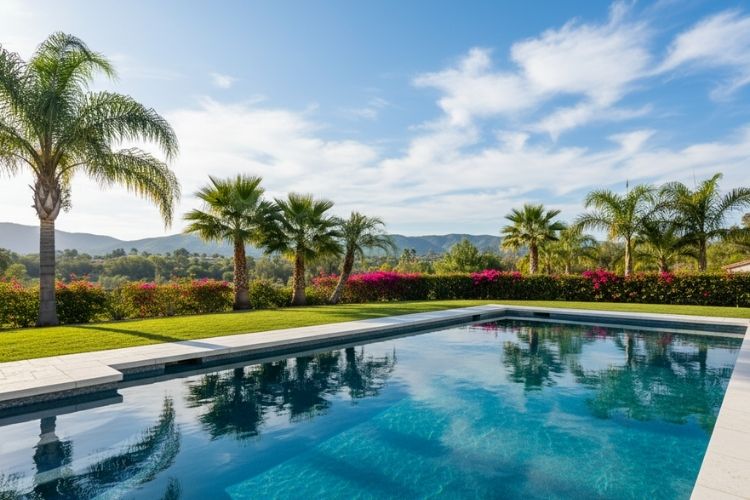
Choosing the best pool resurfacing method becomes easier when you focus on your lifestyle and plans.
- If you plan to stay in your home for many years, durability often matters more than saving money upfront. Pebble finishes usually make sense in this case.
- If you are preparing to sell your home, you may choose a more affordable option that still improves the appearance.
- Climate also matters. Pools exposed to strong sunlight often wear faster. In these environments, choosing the best pool resurfacing method usually means selecting a surface that can handle heat and UV exposure.
- Usage matters too. A pool used every day by children needs a stronger surface than a pool used only occasionally. Balanced water also supports long-term care, including swimming pool heater maintenance, by helping equipment run smoothly and efficiently.
When to Resurface a Pool Before Damage Gets Worse?
Many homeowners delay resurfacing because the pool still seems functional. People can still swim in it, and the water still holds, but that does not mean the surface is in good condition. When a pool is more than ten to fifteen years old and begins to show visible wear, it is usually time to consider resurfacing. Frequent repairs for the same cracks are another clear warning sign. If the surface continues to look worn no matter how much effort you put into cleaning, that often indicates when to resurface a pool. Recognizing these signs early helps protect the pool structure and often keeps the cost of pool resurfacing lower than waiting until serious damage develops.
What Does the Pool Resurfacing Process Look Like?
Many homeowners worry that pool resurfacing will be complicated. In reality, the process is straightforward when handled by professionals.
- The pool is drained first.
- The old surface is then removed or prepared properly.
- Cracks and damaged areas are repaired.
- The new finish is applied carefully.
- The pool is refilled, and the water is balanced.
A professional pool resurfacing project usually takes several days to two weeks, depending on weather and materials. Once finished, most homeowners say their pool feels brand new again.
Cost of Pool Resurfacing Explained Simply
The cost of pool resurfacing depends on several factors, and every pool is different.
- Pool size affects price.
- Surface material affects price.
- The condition of the existing surface affects the price.
- Labor quality affects price.
Plaster is generally the most affordable option. Pebble finishes cost more upfront but last longer. A pool with significant damage will naturally have a higher cost of pool resurfacing because of extra repair work.
How Resurfacing Supports Overall Pool Care?
A good pool surface makes a big difference in day-to-day care. When the surface is in good shape, it is easier to keep the water clear, algae shows up less often, and cleaning does not feel like such a hassle. Your pool simply stays looking better with less effort.
Healthy surfaces also help protect your pool over time. Simple habits, like those used in fiberglass pool maintenance, help keep materials strong and prevent early damage. Balanced water also helps your equipment run smoothly and reduces extra strain. When the surface is cared for properly, everything in your pool tends to work better and last longer.
Why Pool Resurfacing Is a Smart Investment?
Pool resurfacing is not only about appearance. It improves comfort, protects the structure, and makes pool ownership easier.
- A fresh surface makes the water look brighter.
- It feels smoother underfoot.
- It reduces ongoing maintenance frustration.
- It restores enjoyment.
With so many pool plastering options available, the most important thing is choosing what fits your budget and lifestyle. The best pool resurfacing method is the one that supports how you actually use your pool.
Conclusion
A pool should be a place of relaxation, not a source of stress. When the surface begins to wear out, ignoring the warning signs can lead to bigger problems and higher costs. Pool resurfacing protects your investment, improves comfort, and restores the beauty of your pool. Understanding when to resurface a pool helps you take action at the right time instead of waiting until damage becomes severe.
By choosing the right surface and the best pool resurfacing method for your needs, your pool can look better, feel more comfortable, and last longer for many years to come.
If your pool surface is showing signs of wear or you are ready to upgrade your outdoor space, now is the perfect time to take the next step. Whether you are considering resurfacing or exploring a brand-new fiberglass pool, the right professionals can guide you toward a solution that fits your home, style, and budget. Contact Lifestyle Pools today to discuss your options and start creating a pool experience you can enjoy for years to come.