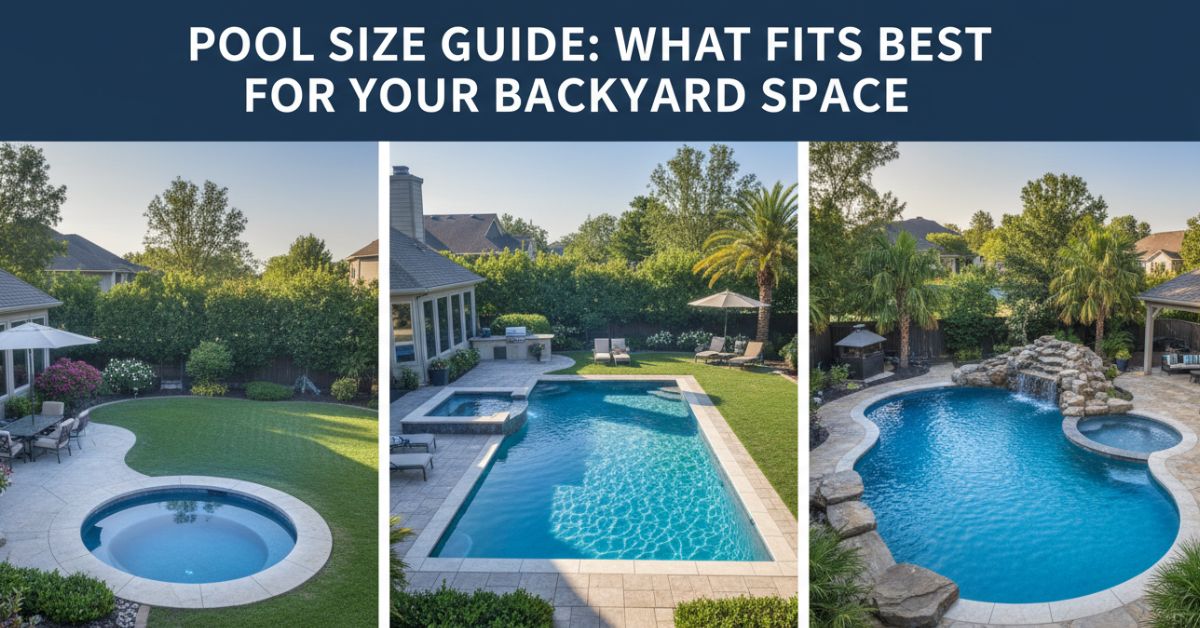
Making the right choice about pool sizes is a very personal decision, because the size of the pool you choose will impact how your patio feels every day of the year and how it appears in a photograph in a directory or in an email. You need to make a pool that works, feels comfortable and relaxing in your outdoor area, and still gives you room to breathe and enjoy the sunshine. This guide aims to guide you through the selection process in a way that is practical, honest, and based on actual experience.
Start With Real Life, Not Measurements
Rather than looking at dimensions and layouts, consider how you use the pool in your daily life. Answering the question of how you imagine using the pool is more important when determining the surface area of the pool than measuring with a tape measure.
Some people see themselves floating leisurely in the pool while they are relaxing after work. Others see children playing in the pool all summer long. There are also individuals looking for a place to swim before the house awakens in the morning. If you start by looking at actual usage habits rather than an idealized version of how you would use the pool, you will quickly determine what size pool is appropriate for your needs.
What “Standard Pool Sizes” Really Mean
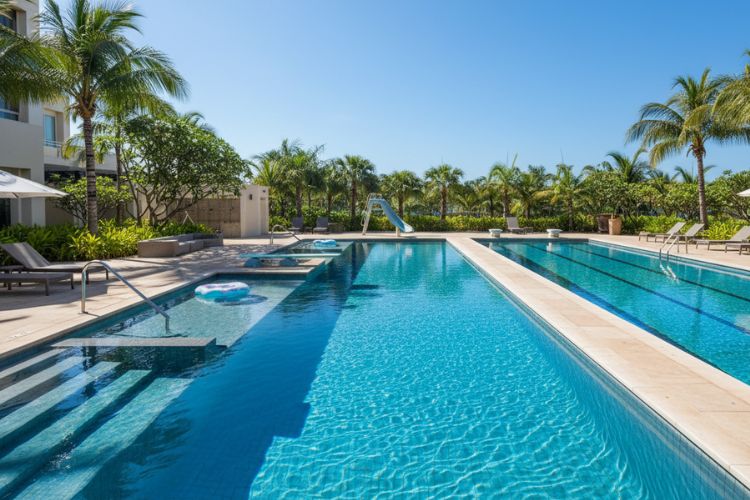
You’ll hear a lot about standard pool sizes, and there’s a reason they come up so often. These sizes didn’t become popular by accident; they work well for most homes.
Rectangular pools around 12×24, 14×28, or 16×32 feet are common because they offer flexibility without taking over the yard. The average inground pool size, usually close to 14×28 feet, gives you enough space to swim, relax, and host without creating maintenance headaches.
Standard sizes also tend to simplify everything else, from construction timelines to finding compatible equipment later on.
Finding the Best Pool Size for Backyard Balance
Selecting the right pool size for the backyard consists of selecting the correct proportion of a pool to the space available. In most larger backyards, average-sized inground pools typically fit in with the landscaping of the yard as a natural extension, and in a small backyard pool, good design makes the difference between a nice small pool that feels welcoming and one that seems out of place.
A smaller patio can be made to feel like a successful pool by scaling appropriately, using a reasonable distance between the pool and adjacent spaces, and leaving enough room to walk freely and comfortably between the pool and the side of the patio.
How to Choose Pool Size Without Second-Guessing Yourself
People often overthink how to choose pool size, worrying they’ll regret going too small or too big. The simplest way to avoid that is to match size to purpose.
If swimming matters, prioritize length. If social time is the goal, width and shallow areas matter more. If the pool is mostly for cooling off, you don’t need excessive dimensions at all.
It also helps to think long-term. Kids grow. Lifestyles shift. A pool that’s flexible today will still feel right years down the line.
Why the Average Inground Pool Size Works So Well
There’s a reason the average inground pool size keeps showing up in residential designs, it just works. It’s large enough to feel like a real pool, but not so big that it dominates your outdoor space or budget.
This size usually allows for a shallow end that’s comfortable for lounging and a deeper area for movement. It also integrates well with patios and surrounding features, which helps the entire backyard feel cohesive instead of crowded.
For many homeowners, this middle ground ends up being the sweet spot.
Minimum Pool Size for Swimming: What You Actually Need
If swimming is a priority, understanding the minimum pool size for swimming is important. Most people are comfortable with around 20 to 25 feet of length for steady movement without constantly turning.
That doesn’t mean smaller spaces are off-limits. Creative layouts and modern designs can still support swimming in compact yards. Knowing the minimum pool size for swimming simply helps set expectations so the finished pool matches how you want to use it.
Looking Beyond the Pool Itself
Pool size doesn’t exist in isolation. It needs to work with everything around it, walkways, seating, and backyard pool landscaping all matter.
A pool that looks perfect in a blueprint can feel cramped if there’s no room left to enjoy the space around it. Design choices also influence perception. Certain pool shapes can make an area feel more open or more enclosed, depending on how they guide movement and sightlines.
Thinking about the entire yard, not just the pool, leads to better results.
Common Pool Size Regrets (And How to Avoid Them)
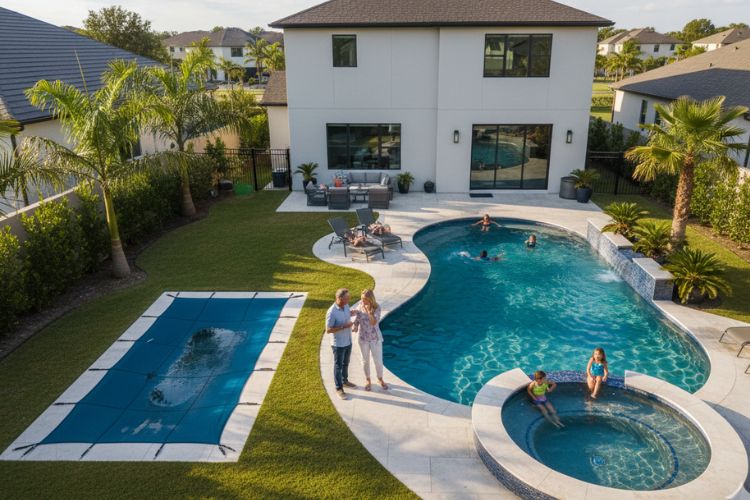
Most regrets don’t come from choosing the “wrong” size, but from choosing without thinking through daily use. Bigger isn’t always better, and smaller isn’t always limiting.
When homeowners take time to understand standard pool sizes, consider the average inground pool size, and honestly assess how to choose a pool size for their lifestyle, regret becomes rare.
A pool that fits your life will always feel like the right choice.
FAQs About Pool Sizes
What is the best pool size for a residential backyard?
The best pool size depends on how you plan to use it and how much space you want to preserve. Many homeowners find standard pool sizes or the average inground pool size strike the right balance.
How do I know if my yard can support a pool?
Looking at available space, local requirements, and the minimum pool size for swimming helps determine feasibility. A professional site visit can clarify options quickly.
Are standard pool sizes easier to live with?
Yes. Standard pool sizes usually mean simpler maintenance, easier upgrades, and fewer surprises down the road.
Does pool size really affect enjoyment?
Absolutely. When pool sizes match how you live, the space feels natural and inviting instead of forced.
Final Thoughts: Choosing Pool Sizes That Feel Natural
Choosing the right pool sizes isn’t about trends or guesswork. It’s about paying attention to your space, your habits, and how you want your backyard to feel. When you understand standard pool sizes, think realistically about the average inground pool size, and take the time to decide how to choose a pool size based on real use, the decision feels clear.
A well-sized pool doesn’t just fit your yard. It fits the way you live.