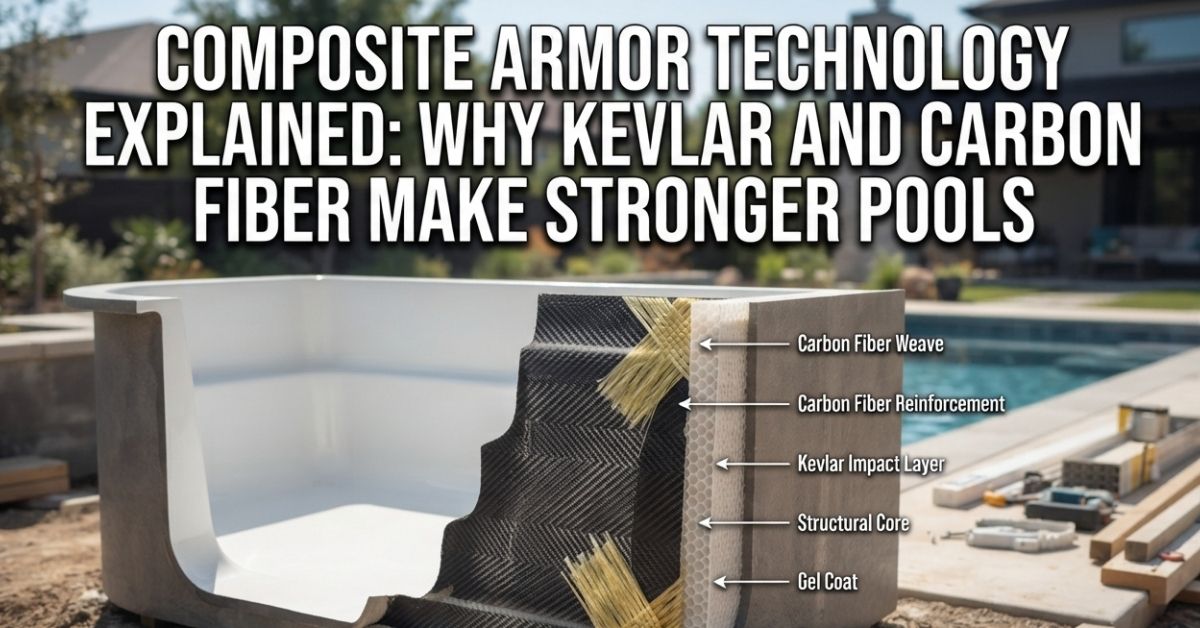
A pool shell has to support the weight of the water while standing up to pressure from the surrounding ground. The materials used to build it can make a difference in how the shell handles these demands. Composite Armor Technology combines fiberglass with materials such as Kevlar, carbon fiber, and basalt fiber to create a reinforced pool structure.
For anyone comparing fiberglass pools, it is worth looking at how the shell is built, not just how it looks. Kevlar pool technology uses the strength and toughness of Kevlar as part of this reinforced construction, while carbon fiber adds stiffness and structural support. The two materials have different properties, allowing them to serve different purposes within the same pool shell.
Composite Armour Technology
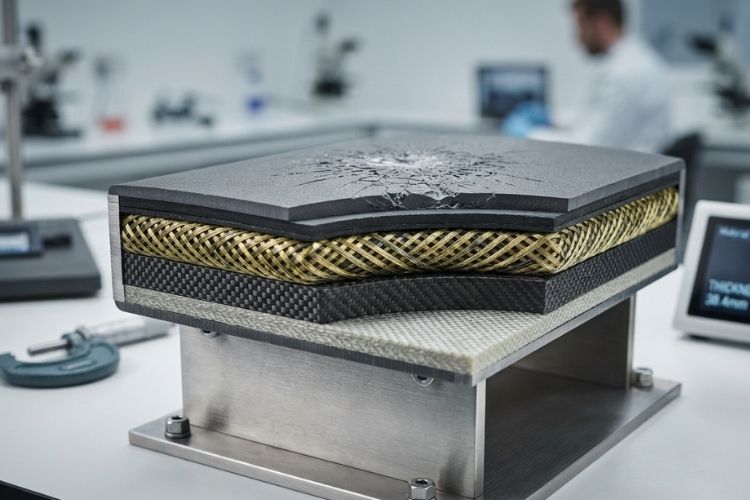
Composite Armour Technology uses several materials to reinforce a fiberglass pool shell. Fiberglass and resin make up the main structure, while Kevlar, carbon fiber, and basalt fiber provide added support.
Each material brings something different to the shell. Kevlar helps with toughness and impact resistance, while carbon fiber adds stiffness and strength. Using them together creates a balanced structure without simply making the pool shell thicker or heavier.
Kevlar and Carbon Fiber Reinforcement
Kevlar and carbon fiber are both strong, but they handle stress in different ways. Kevlar is better known for its toughness and ability to absorb impact, while carbon fiber provides stiffness and helps the shell hold its shape. Bringing the two together gives the pool shell different types of reinforcement where they are needed.
-
Kevlar in Pool Construction
Kevlar is a strong, lightweight fiber that is known for handling tension and impact. In Kevlar pool technology, it is built into the pool shell along with fiberglass and resin. This added layer of reinforcement helps the shell handle the stresses it can face during transportation, installation, and regular use.
-
Carbon Fiber in Pool Construction
Carbon fiber is strong and lightweight, but its main benefit in pool construction is the stiffness it adds to the shell. It helps the structure hold its shape when pressure is placed on it. Used with fiberglass and other reinforcing materials, carbon fiber adds support without making the pool shell unnecessarily heavy.
The Combined Strength of Kevlar and Carbon Fiber
The benefit of using Kevlar and carbon fiber together is that each material brings a different property to the shell. Kevlar helps with toughness and impact resistance, while carbon fiber contributes stiffness. Basalt fiber can also be used as part of the composite construction, adding another type of reinforcement.
How Composite Armor Technology Strengthens a Pool Shell?
The reinforcing materials are built into the pool shell during manufacturing. They are layered and bonded with fiberglass and resin to form a single structure. This allows the reinforcement to work throughout the shell rather than being limited to the outer surface.
A pool shell must deal with water pressure from inside and soil pressure from outside. The combination of materials helps the shell handle these forces while maintaining its intended shape.
Key Strength Benefits of Composite Pool Construction
Using several reinforcing materials gives manufacturers more control over the properties of the finished shell. Each material can contribute to a specific need, such as impact resistance or stiffness.
If you are searching for the strongest fiberglass pool, look at the complete shell construction. The type of reinforcement, material quality, shell design, and manufacturing method are all more useful indicators than appearance alone.
-
Impact Resistance
A pool shell can be exposed to impacts during transportation, installation, or work around the property. Kevlar is useful in this situation because of its toughness and ability to handle repeated stress. It does not make a pool shell impossible to damage, but it can provide additional reinforcement where impact resistance is important.
-
Structural Strength
Carbon fiber adds stiffness to the pool shell and helps it resist bending under pressure. This is useful because the shell has to support the water while also dealing with forces from the surrounding soil. Its strength-to-weight properties allow manufacturers to add structural support without making the shell unnecessarily heavy.
-
Controlled Flexibility
A pool shell needs to be strong without being excessively rigid. Some flexibility can help the structure respond to normal movement around the pool. Kevlar can contribute to this balance because it can handle repeated stress while working with the other materials in the composite.
-
Long-Term Durability
The materials inside the pool shell are important, but they are not the only things that affect how it holds up over time. Good manufacturing and proper installation give the shell the support it needs, while regular pool care helps keep the whole system in good condition. Keeping the water balanced and looking after the equipment can also help prevent avoidable problems later on.
The Role of Kevlar and Carbon Fiber in Advanced Composites
Kevlar and carbon fiber are used in other applications where strength and weight are important. Carbon fiber is especially useful for stiffness, while Kevlar is known for toughness and impact resistance. Their different properties explain why they can work well together in a composite structure.
Modern swimming pool technology continues to introduce different materials and construction methods. For pool buyers, the important point is understanding what those materials actually contribute to the finished shell.
Composite Armor Technology Compared With Traditional Pool Construction
Traditional fiberglass pools use fiberglass and resin as the main shell materials. Composite AArmoradds materials such as Kevlar, carbon fiber, and basalt fiber to provide additional reinforcement.
The difference is therefore found in the construction of the shell rather than simply the type of pool. When comparing options, it makes sense to consider the materials, reinforcement, manufacturing process, installation, and warranty together.
Composite Pool Strength and Everyday Performance
A reinforced shell can provide added structural support, but it does not replace normal pool maintenance. Water testing, filtration, circulation, cleaning, and equipment care are still necessary. Installation also matters, since proper excavation, drainage, base preparation, and backfilling help support the shell.
Factors That Affect Composite Pool Durability
- Material quality affects the overall strength and lifespan of the pool shell.
- Shell design determines how the structure handles pressure and everyday stress.
- Reinforcement placement affects how Kevlar, carbon fiber, and other materials support the shell.
- Manufacturing quality helps ensure the materials are properly bonded and layered.
- Installation provides the support the pool shell needs after it is placed in the ground.
- Pool surroundings can affect the shell through soil conditions, drainage, and ground movement.
- Regular maintenance helps protect the pool and its equipment over time.
- g on one reinforcing material. A well-designed shell still needs proper installation and care.
Choosing a Composite Pool With Advanced Reinforcement
When comparing reinforced fiberglass pools, ask what materials are used in the shell and what purpose each one serves. It is also worth asking about the manufacturing process, warranty, installation requirements, and support provided by the manufacturer.
A composite armor pool should be judged by its complete construction. The reinforcement is important, but it is not the only factor that determines how the finished pool will perform.
Composite Armor Pool Technology for New Projects
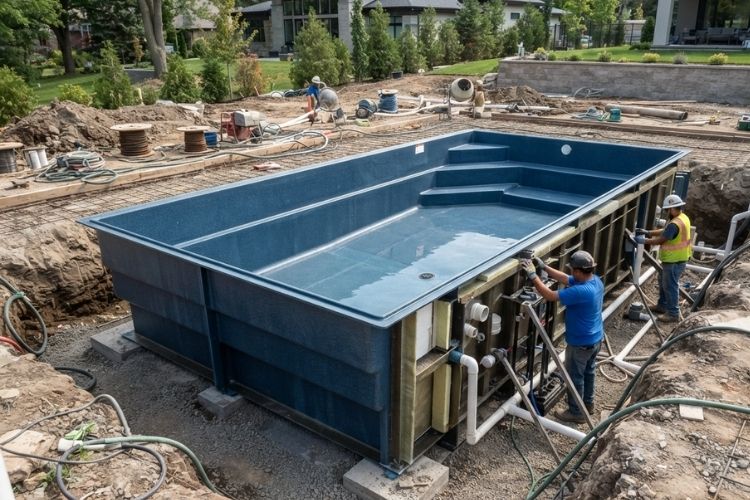
If you are planning a new pool, the shell construction should be considered along with the pool desing and equipment. Discussing reinforcement options before construction gives you a better idea of what you are buying and what installation will involve.
You can also review Lifestyle Pools models when comparing pool shapes and designs. The right choice will depend on your available space, preferred layout, budget, and the type of construction you want.
Final Thoughts
Kevlar and carbon fiber each bring something useful to a fiberglass pool shell. Kevlar adds toughness, while carbon fiber helps provide stiffness and support. Kevlar pool technology brings these materials together with fiberglass to create a more reinforced pool structure.
If you are comparing fiberglass pools, look at how the entire shell is made, not just the materials listed. Good construction, proper installation, and regular care all matter in the long run.
FAQs
What is Composite AArmorTechnology?
It is a reinforced pool shell construction that combines fiberglass with materials such as Kevlar, carbon fiber, and basalt fiber.
Why is Kevlar used in pool shells?
Kevlar adds toughness and impact resistance to the pool shell while remaining lightweight.
What does carbon fiber add to a pool?
Carbon fiber adds stiffness and structural strength without adding significant weight.
Are composite fiberglass pools durable?
They can be highly durable when quality materials, proper manufacturing, and correct installation are used.
Does a composite pool need regular maintenance?
Yes. Regular cleaning, water testing, filtration, and equipment care are still required.