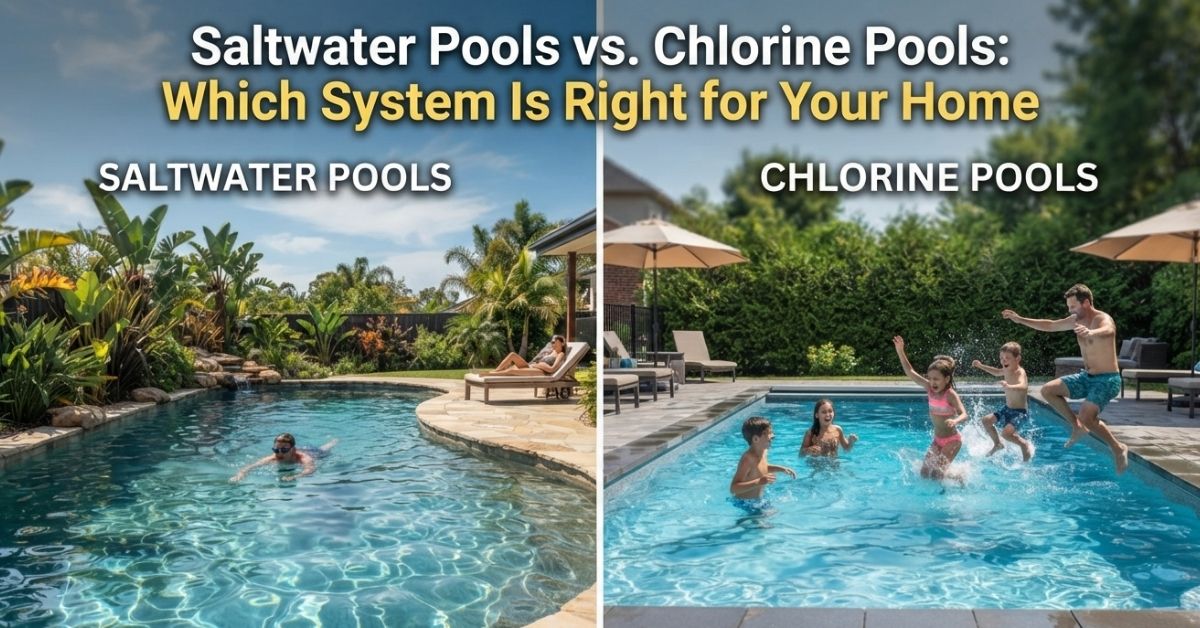
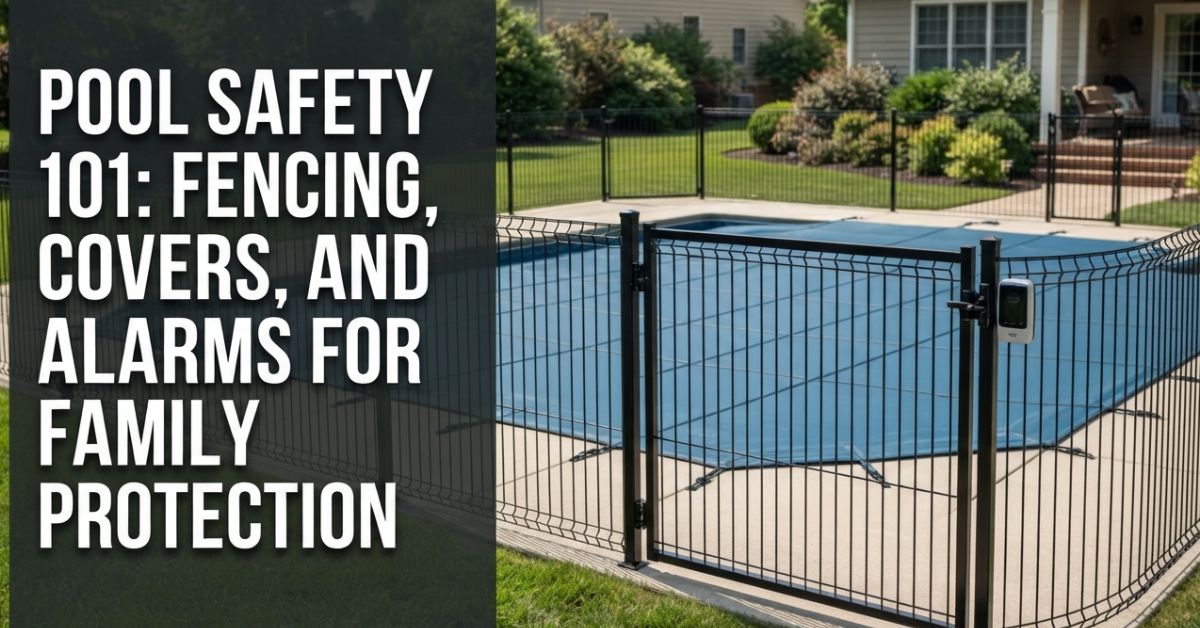
Adding a pool to your backyard will take an ordinary Saturday and turn it into a mini-vacation. However, a swimming pool is like anything else that you purchase; it requires some degree of maintenance and care. Drowning does not feature any kind of warning sign. There is just quiet. You hear no commotion associated with swimming. So, why should pool safety tips aim not at creating anxiousness?
There are three layers of pool safety that one should be aware of. These layers are a fence, a cover, and an alarm. Once you incorporate some good habits into your everyday life, you will make your pool absolutely safe.
Why One Barrier Is Never Enough
Think of pool protection like the locks on a front door. One lock helps. Three locks make a would-be intruder give up. Water works the same way. A fence fails when someone props the gate open. A cover only works when it is on. An alarm is useless with a dead battery. Stack them, and each one covers the others’ blind spots.
Build the Fence First
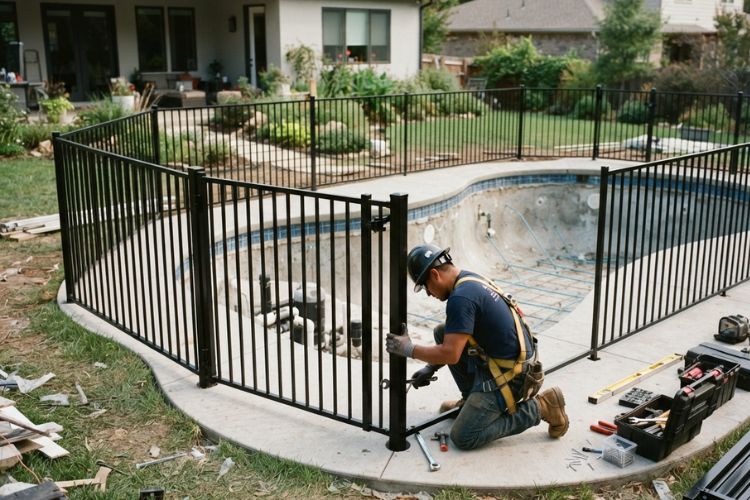
Prior to purchasing any fencing material, make sure to familiarize yourself with the local swimming pool fencing regulations. Though these regulations may vary between municipalities, there are still some common factors, which include a fence of at least four feet in height without possible gaps created through which a small child could pass, plus a gate that automatically closes and locks itself to prevent any accidents.
A few smart moves go beyond the rulebook:
- Choose vertical bars or solid panels. Horizontal rails work like a ladder for curious climbers.
- Keep chairs, planters, and grills well away from the fence line.
- Fence the pool itself, not just the yard. A back door that opens straight onto the deck is a common route to the water.
- Test the gate latch once a week. Springs wear out, and hinges sag.
Do Not Forget the House Itself
Most incidents involving toddlers occur inside the home itself. For example, a child could slip out of the house from the patio while the parents are busy with dinner preparations. Door alarms should be placed on every exit that leads to the pool area. Additionally, the door lock should be placed in a position where it cannot be reached by the toddler. The window latch is also a good source of childproofing that does the trick at very low costs.
Choose a Cover That Does Real Work
Some covers offer minimal protection. For instance, a solar swimming pool cover can help provide warmth to the water, but it does not prevent a child from sliding under it and getting stuck. A true safety cover is made to support weight, be fastened to the deck, and meet the requirements of the ASTM F1346 standard.
Typically, you will have to choose between mesh and solid. Mesh allows rainwater to flow through so that the cover does not become too heavy, while solid covers stop light from coming through, preventing algae growth and making your clean-up easier in the spring. However, remember that the cover needs to be securely fastened in order for it to be effective; therefore, be sure to incorporate fastening your cover into your routine every time you finish swimming. You also want to get rid of water pooling on top of the cover, as even a tiny amount is dangerous for a toddler.
Fold Safety Into Your Budget Early
Are you proceeding with a new pool installation project? Keep safety equipment as a budget line item instead of an afterthought. Installing a fence, cover, and alarms can add to the pool installation costs, and it’s often more expensive to get them afterward than incorporating safety from the beginning. Request the contractor for the cost estimates in advance so that there are no extra charges afterward.
Let Alarms Be Your Backup Ears
Alarms are the layer that speaks up when the others stay quiet. Pool alarms for kids come in a few flavors:
- Gate alarms chirp whenever the latch opens.
- Surface wave sensors float in the water and react to ripples.
- Subsurface sensors detect underwater disturbance and trigger fewer false alarms from wind.
- Wearable alerts clip to a swimsuit and sound off if a child gets wet.
Pick one that suits your yard, then test it monthly and swap batteries on schedule. Make sure you can hear it from inside the house, with the TV on and the dishwasher running.
Pool Safety Tips for Everyday Habits
Hardware helps, but habits close the gap.
- Name a water watcher. One adult, eyes on the pool, phone away. Swap every 15 minutes so attention stays sharp.
- Teach swimming early. Lessons are one of the strongest defenses a child can have.
- Learn CPR. Those first few minutes matter more than any gadget.
- Set house rules. No running on the deck, no swimming alone, no diving into shallow water.
- Keep rescue gear close. A life ring or reaching pole should sit within arm’s length, and toys should leave the water after swim time, since a floating toy pulls toddlers toward the edge.
Do Not Trim Safety to Trim the Bill
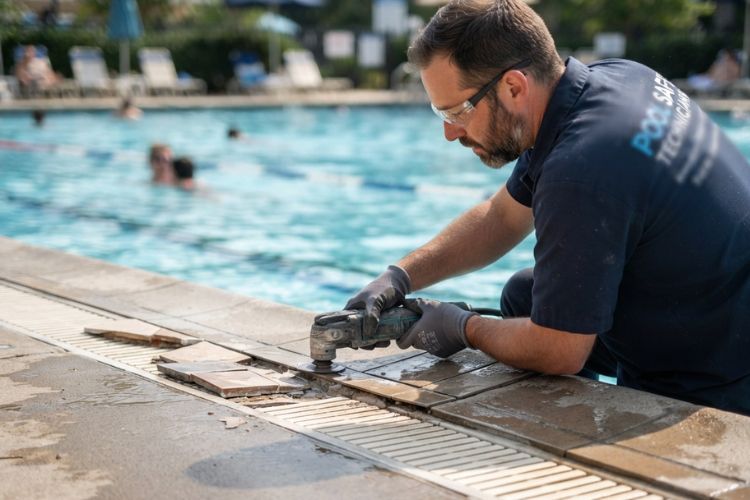
Costs tend to grow quickly, but safety equipment and accessories are usually the first ones people think of scrapping. Do your best not to follow this instinct. If it appears that your budget is tight, the swimming pool financing project is a good way out of this situation.
Your Quick Safety Checklist
- Fence with a self-closing, self-latching gate: check.
- Cover in place when pool is not in use: check.
- Alarm tested this month: check.
- Water watcher assigned: check.
- Rescue gear within reach: check.
Final Thoughts
Safety is not one single decision but a series of small decisions made over and over again until they become second nature. Start with the tips for pool safety outlined here, make sure you get a fence that meets local codes, have an appropriate cover for the pool, and use a pool alarm for children as a failsafe.
FAQs
Do I still need a fence if I have a safety cover?
Yes. A cover only protects when it is on, while a fence guards the pool the rest of the time, including while people swim. Most areas spell out pool fencing requirements in local code, so check with your city or county before you build.
Are pool safety covers strong enough for a child to walk on?
Rated covers are tested to hold weight, but they are a barrier, not a play surface. Never let kids or pets use one as a trampoline, and always remove standing water from the top.
What type of alarm works best for families?
Most families pair a gate alarm with a surface or subsurface sensor. The best pool alarms for kids are the ones you test often and can clearly hear from inside the house.
How often should I inspect my safety gear?
Check the gate latch weekly and test alarms monthly. Look over the cover at the start of each season and again after any big storm.