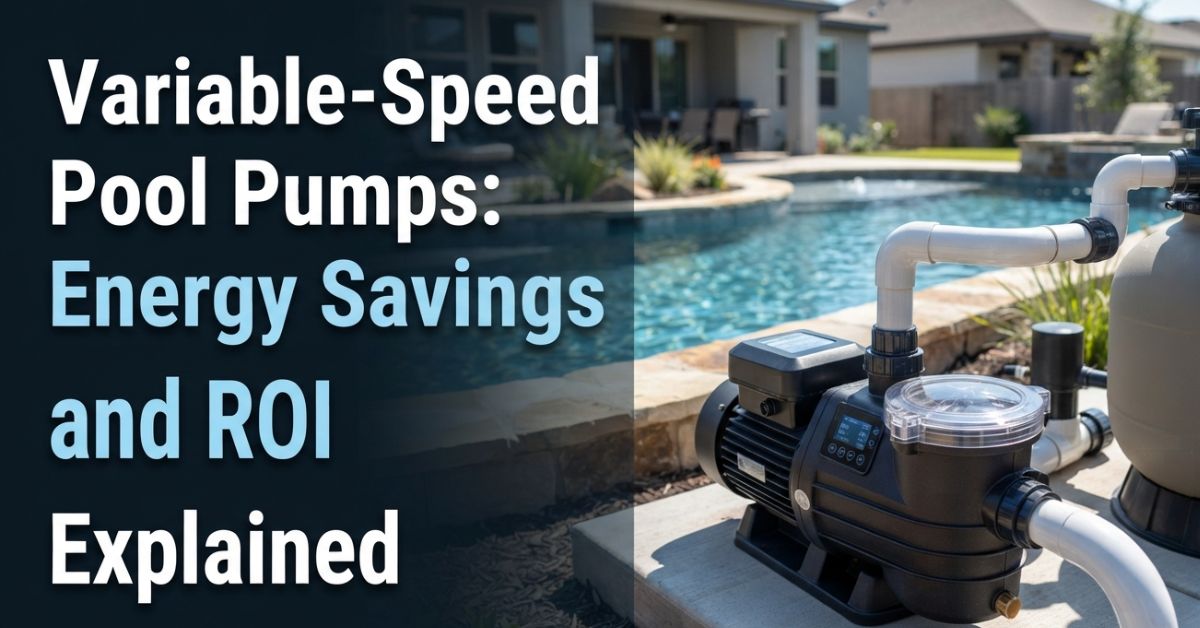
Your swimming pool pump is the busiest machine in your yard, and it’s likely the biggest energy hog among them all. It works continuously and wastes large amounts of energy to operate. Water needs to be filtered constantly but doesn’t need to be squeezed while at it. A variable speed pool pump ensures just that; it gets the job done and saves you money. Upgrading to an energy-efficient pool pump is among the few upgrades that may save you money in addition to comfort. Here are the calculations and facts you need to know to make the right choice.
Why a Single-Speed Pump Burns Cash
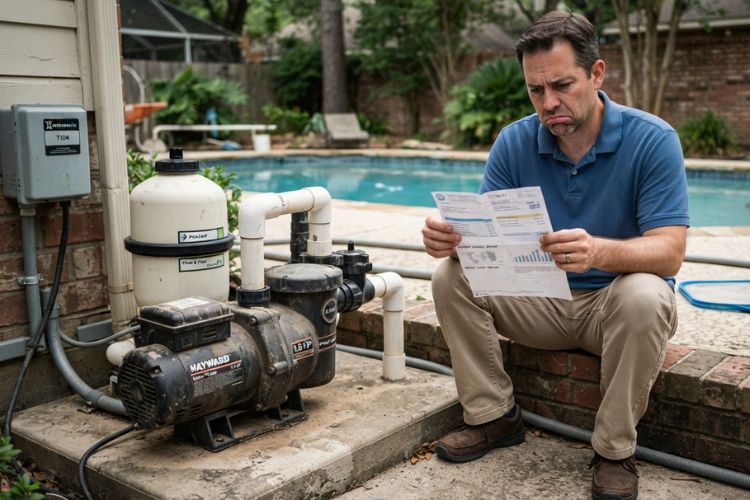
A standard pool pump operates at full power only. It runs at about 3450 RPM whether getting filthy water out or circulating clear water. However, the water doesn’t mind, as it needs to go through filtration a certain number of times every day. The filtration process is equally effective at low speed and high speed.
The interesting aspect of physics is the fact that by slowing down the pump to half the speed, power consumption reduces to something like 1/8 of the power used by a standard pump. The water flow is also halved, but energy consumption is decreased much faster. Hence, slow running ensures effective filtration by means of less energy consumed in comparison with a standard pump output.
How a Variable Speed Pool Pump Actually Works
Inside, there is a permanent magnet and a motor that also has an internal driver. So you have a choice of speeds from roughly 600 RPM to 3,450 RPM. You just have to set it up with the control panel according to the schedule: slow speed for routine filtering, medium speed whenever you are using the heater or skimmer, and the fastest speed for vacuuming or running the waterfall.
The benefits are many. The use of low speeds means that the pump runs quietly, and the filter captures smaller debris as the water flows through it in a slow way. Also, with less strain on the motor, the overall equipment lifespan is extended.
The Money Math: Cost, Savings, and Payback
Let’s now talk about figures, as that is the reason you came here. A single-speed pump costs a couple of hundred dollars. A variable model costs from about $800 to $1,800, excluding installation costs. Yes, it is painful. But electricity is what you get back. A lot of owners reduce the pump energy consumption by 60 to 80 percent, saving hundreds of dollars each year depending on local electricity rates and how long they run their pumps.
This means that the biggest advantage of a variable-speed pump is that there is a higher price now and smaller monthly bills for the next several years. Many people have recovered the higher cost within one to three years, and the pump works for another eight to ten years. After that, every month is a profit.
Do you want an estimate? Estimate the pump wattage and the hours it works each day and multiply it by the price for kWh. Repeat for your old way. The difference will give your yearly profit. Use your own electric price and check whether your electric company provides rebates.
What Fiberglass Pool Owners Should Know
Fiberglass has a smooth gel-coat finish that resists algal growth and gathers less debris than textured finishes. This enables it to require less forceful circulation than other surfaces. Combined with a pump that can operate at very low flow and energy levels, fiberglass pools provide clean water with little electricity used.
The size of the pool pump is more important than its strength. A pump that is bigger than necessary may push too much water through the plumbing system and defeat the purpose of conserving energy. Select a pump that works for your pool size and pipe diameter with the help of your installer or fiberglass shell manufacturer.
What to Look For Before You Buy
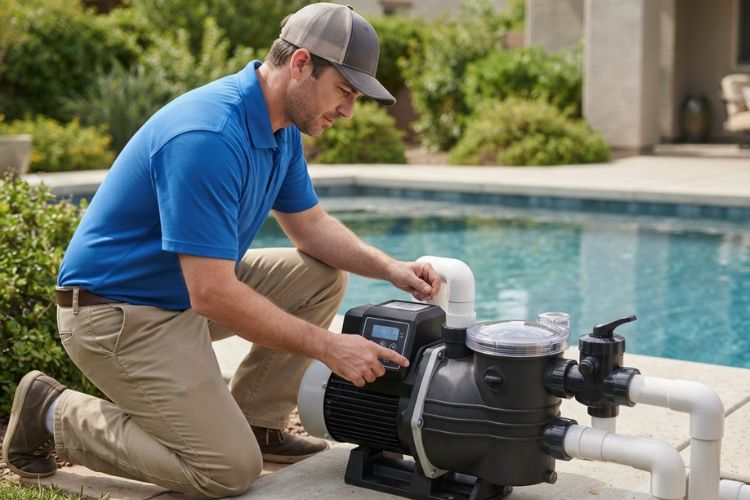
Spend an afternoon comparing models, and read through the features and equipment listed for each one before you decide. These are the details worth checking:
- Speed range and presets: More programmable steps give you finer control.
- Efficiency certification: Look for a recognized rating on the label.
- Display and controls: A clear panel beats a confusing one every time.
- Warranty: Three years or more signals confidence from the maker.
- Noise at low speed: Quiet matters if your equipment pad sits near the patio.
- Easy fittings: Union connections make future swaps painless.
Dial In Your Speeds
The efficiency of your pool pump is only one part of the equation. How long the pump runs factors into the overall savings. Start with a speed of around 1,200 to 1,800 rpm and run it for a long time, usually somewhere between eight and twelve hours. Pay attention to water clarity over the next week. Use a higher speed if the water is cloudy or run it for an extra hour. If everything is clear, try turning the speed down a little bit. Remember that higher speeds should only be used for cleaning cycles or when the heater is working. You should also keep an eye on the pressure gauge since an increasing reading generally indicates that the filter is due for maintenance. Always check with your manufacturer about their recommended minimum running times and speeds.
Let Smart Controls Do the Thinking
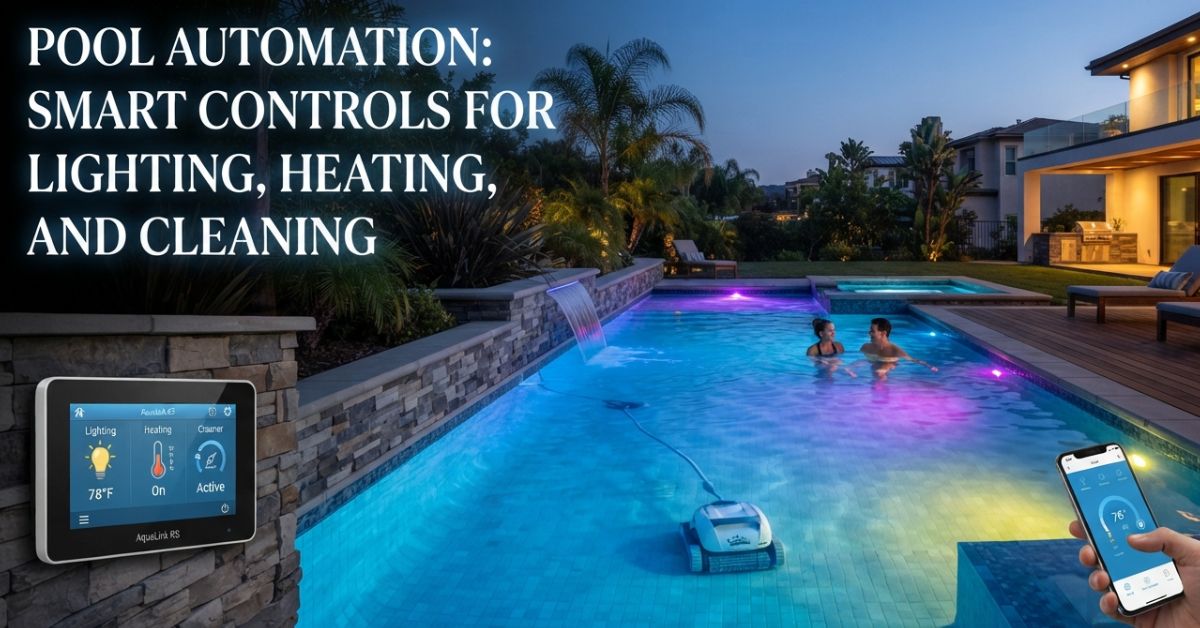
With modern swimming pool technology, the pump can now be controlled from your phone. By connecting it to an automation hub, it can adjust the running cycles according to seasonality, start running faster when the heater kicks in, and send warnings when things aren’t going right.
Mistakes That Eat Your Savings
- Running too slow: Weak circulation invites cloudy water and algae.
- Buying too much pump: Bigger is not better, as the fiberglass section showed.
- Skipping a pro for wiring: Some models have specific electrical needs.
- Forgetting seasonal tweaks: Summer and winter schedules should not match.
Final Thoughts
A variable speed pool pump is not flashy, but it is one of the smartest upgrades a pool owner can make. It trades a one-time cost for years of lower bills, quieter evenings, and healthier equipment. Run the numbers for your own setup, lock in the pool pump cost savings with a thoughtful schedule, and pick the best pool pump for fiberglass pools by sizing it to your shell, not your ego. Your pool stays clear, and your wallet stays a little heavier.
Frequently Asked Questions
Is a variable speed pump really worth the higher price?
For most pools that run daily, yes. The upfront cost is higher, but lower electricity use usually recovers it within a few years, and the savings continue for the life of the pump.
Which is the best pool pump for fiberglass pools?
There is no single winner. Look for a model with a wide speed range, correct sizing for your pool volume and plumbing, and a solid warranty. Your fiberglass pool installer can confirm the flow rate your shell needs.
What makes an energy-efficient pool pump different from a standard one?
It uses a variable-speed motor instead of a fixed one. That lets it run slowly for long periods, which cuts power draw sharply while still cycling all your water.
Can I replace my old pump myself?
Some owners handle the plumbing swap, but wiring and programming can be tricky. Hiring a licensed pro protects your warranty and keeps the electrical side safe.