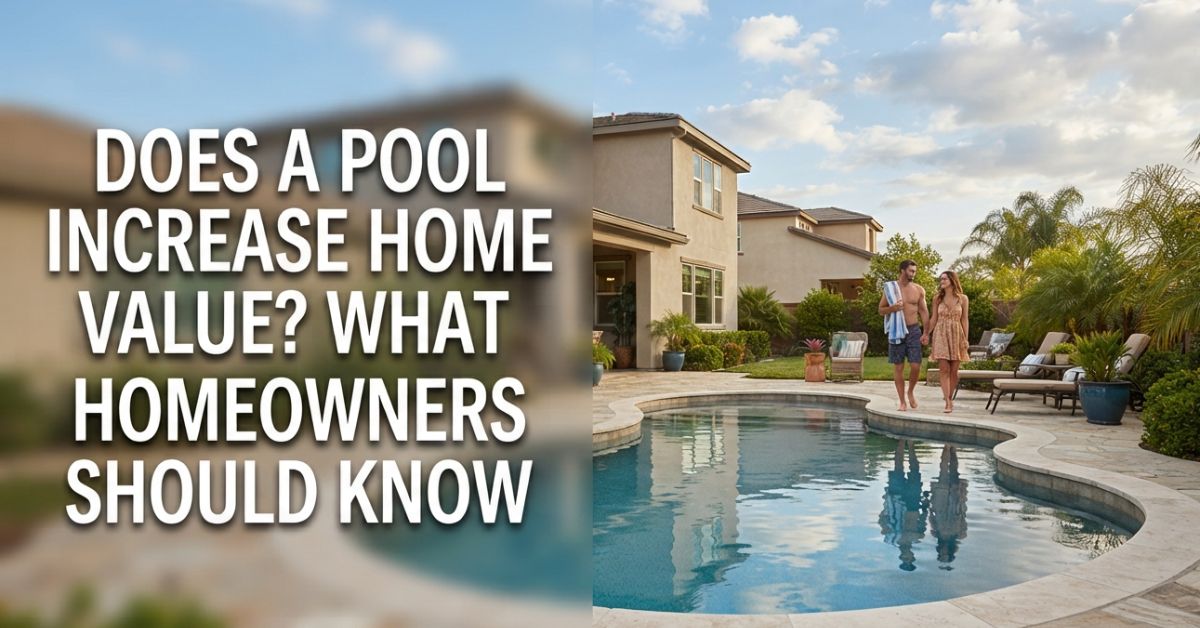
Does a swimming pool add value to your home? If you ask five real estate agents, you will probably get five answers, many of which will begin with the phrase “It depends.” This is not dodging the question; it is the correct answer. A swimming pool can indeed make a property stand out in one community and seem like a liability in another place.
In this guide, we examine the elements of resale, cost, and intelligent assessment of this query.
So, Does a Pool Increase Home Value in Real Life?
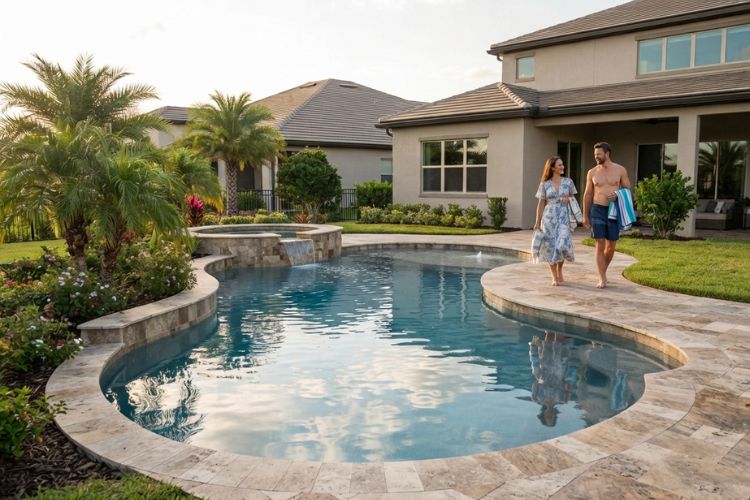
Very occasionally it does. Most industry experts agree that adding a pool increases the value of a house anywhere from nothing to approximately 7%. In many instances, that will be less than what a pool has been built for.
Appraisers consider a pool as a feature of a property, but not as an added space. They compare sales of homes nearby. If your neighbors have pools, it adds value to your home. If they don’t, it will not.
You should think of a pool as not being similar to a renovated kitchen, but more like a perfect sound system. It is adored by some people and ignored by the others.
What Moves the Needle on Resale
Four things matter most:
- Climate. Where swimming season stretches for most of the year, buyers expect a pool and reward one. Where winters bite, the same pool gets a few months of glory.
- Neighborhood norms. A pool on a street full of pools is a safe bet. A lone pool among modest homes rarely earns its money back.
- Yard size. A pool that swallows the whole yard can scare off buyers who want grass for pets and play.
- Condition and design. A clean, well-kept pool charms. A cracked, green, or dated one reads as a repair bill filled with water.
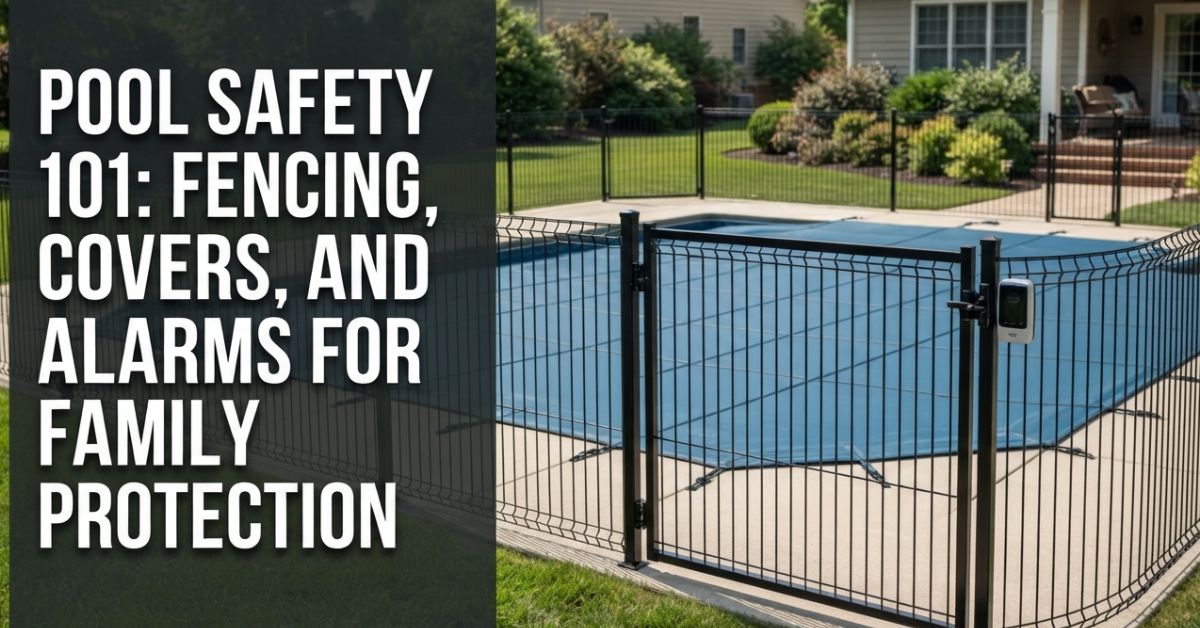
Safety features count too. Sturdy fencing, self-latching gates, and tidy decking calm nervous buyers, especially families with toddlers.
The Real Cost to Add a Pool
The price varies in the U.S. depending on your yard and type of pool. The cost will not be limited to the actual pool itself. The expenses will include excavation, decking, fencing, electrical work, equipment, and landscaping, as well as any extra charges arising from the slope in terrain or poor access.
Many things affect this initial expense, but also successive expenses in terms of time and money. Concrete pools allow constructing pools of any shape but are more time-consuming to build and require a lot of maintenance. Vinyl liner pools are cheaper to start with, yet that liner will cease to work at some point, after which you will have to replace it altogether. Fiberglass pool pricing comes in a mold and is easy to install. Having information on fiberglass pool prices can help you understand how much of your budget will be spent on a pool itself and how much money you will have for patio, fence, and lighting.
Don’t forget that you will also have to bear the expenses while using the pool, starting from chemicals and ending with repairs. These expenses vary greatly but accumulate to a significant amount.
Is a Pool Worth It Beyond Resale?
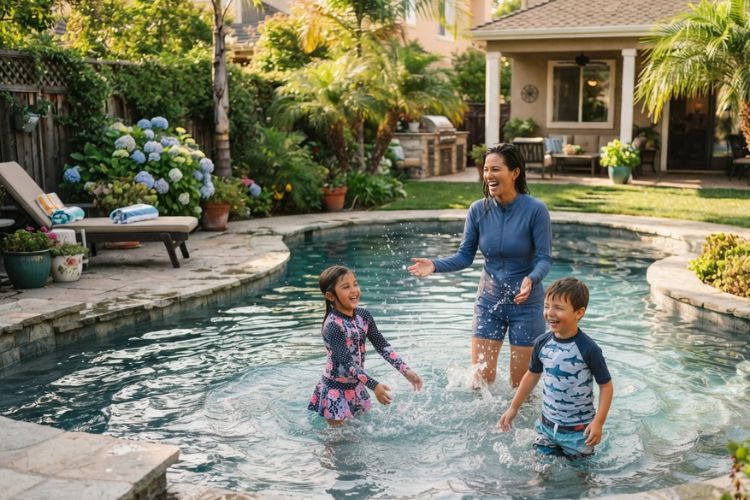
This is where things get personal! Resale value is one factor to help you decide. Daily usage is another one.
Think about weekends of enjoyment, summer nights with friends, or children finally turning off their games and going for a swim. Also, swimming is good for your joints, which could be another plus if you look for a sport activity. If you are planning to visit a pool about 50 times a season, the cost of it, which you will pay per swim, will become low.
Don’t forget that you’ll have to clean and maintain your pool. It could become much of a hassle and make having a pool feel like having a job.
Ways to Protect Your Investment
- Pick a shape and finish that suits your home’s style, not a passing trend.
- Keep up with maintenance. Buyers can spot neglect from the driveway.
- Landscape around the water so it looks like it belongs there.
- Save service and repair records to show future buyers.
- Choose an experienced builder with local references. A team like Lifestyle Pools can walk you through options, timelines, and what your lot allows.
Final Thoughts
Is putting in a pool worth it when it comes to raising house value? It may be, as long as you live in a warm area and a community that does not mind having pools. The most knowledgeable owners understand that the price increase is just another question.
Before making the decision, ask this crucial question: will you benefit in your life in a way that will justify your expenses? If so, you are making memories, not simply increasing the number of meters.
Frequently Asked Questions
How much value does a pool add to a house?
Commonly cited estimates range from no added value to roughly 7 percent, depending on climate, neighborhood, and condition. A local agent can pull recent comparable sales to give you a realistic number for your area.
Can a pool hurt resale?
Yes, in some cases. Cooler climates, small yards, and poorly maintained pools can shrink your buyer pool, since some shoppers avoid the upkeep and liability.
Does a pool raise property taxes and insurance?
Often it does. Many areas reassess a property after a pool is added, and insurers may adjust premiums or require fencing. Ask your local assessor and insurance provider before you build.
What affects the cost to add a pool?
Size, material, soil and slope, site access, decking, fencing, permits, and local labor rates all play a part. Equipment choices and landscaping can shift the total, too.