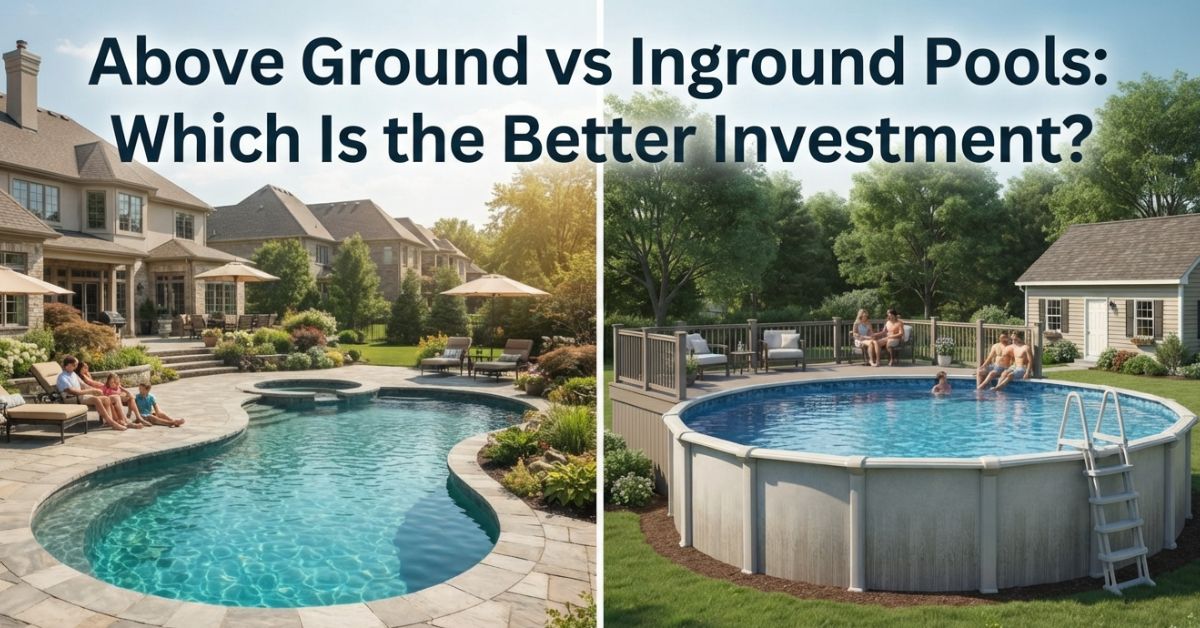
Ask five homeowners about above-ground vs. in-ground pools, and you’ll get five different answers, most of them a little defensive. That’s because this isn’t really a pool question. It’s a money question wearing a pool costume.
So let’s skip the sales pitch and look at what each option actually costs you, gives you, and quietly takes from you over time.
The Real Difference Isn’t Just Depth
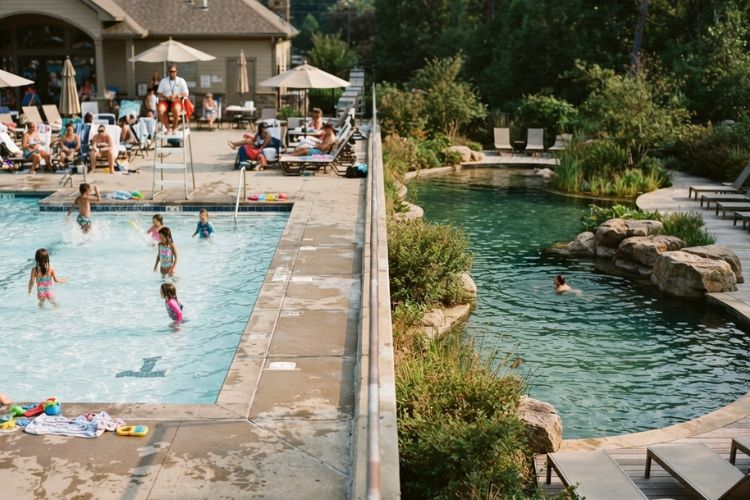
People assume the above-ground vs inground pool choice comes down to how deep the water sits. It doesn’t, not really. An inground pool is a permanent structural addition excavated, engineered, tied to your property’s footprint. An above-ground pool is closer to a large appliance. You can move it, sell it, or haul it to the curb if things don’t work out.
That distinction matters more than most buyers realize before they sign anything.
Above Ground Pool Pros and Cons, Straight Up
No sugarcoating here.
- Pros: lower upfront price, faster installation (sometimes a single weekend), and the option to relocate or remove it entirely. If you’re renting, on a tight budget, or genuinely unsure whether a pool fits your life, this is the low-risk way to find out.
- Cons: shorter lifespan, less curb appeal to future buyers, and limited customization. Most liners need replacing every 6 to 10 years, and the structure itself rarely adds resale value; sometimes it subtracts it if a buyer sees one more thing to tear out.
Run through the above-ground pool pros and cons against your five-year plan, not your five-week one.
What Inground Pool Cost Actually Looks Like
While the In-ground pool cost differs according to the continent, pool type, and many other factors, fiberglass pools are more affordable options compared to the gunite ones. But it is clear that an in-ground pool will cost you more than an above-ground pool. At the same time, you should definitely keep in mind that an in-ground pool represents a long-term solution. When it comes to the in-ground pool cost, people often dwell on the first price and think that they have all the information they need to make decisions. While discussing the in-ground pool’s price, one should also be aware of the long-term pool usage costs and decide whether or not they are still reasonable.
If you’re weighing your options, it helps to look at real pool installation services pricing rather than the worst-case numbers that circulate online.
Resale Value: Where the Investment Argument Gets Real
This is the part most comparison articles skip, probably because it’s inconvenient. Above-ground pools rarely, if ever, boost a home’s sale price. Some buyers see them as clutter waiting to happen. In-ground pools, fiberglass ones especially, tend to hold or add value in warmer markets, where a pool is expected rather than optional.
That doesn’t mean an in-ground pool “pays for itself.” Few home improvements genuinely do. But it’s the difference between an asset and an expense that happens to hold water.
Best Pool Type for Backyard Space and Lifestyle
Money aside, your backyard has an opinion too. The best pool type for backyard use really depends on shape, slope, and how permanent you want the whole thing to look.
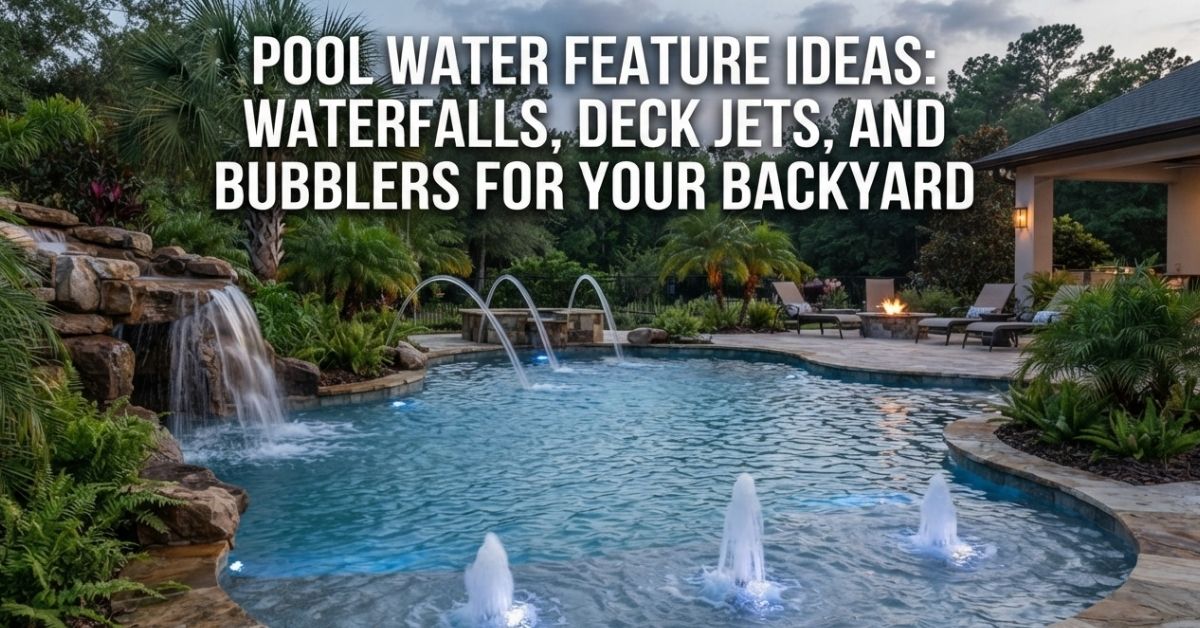
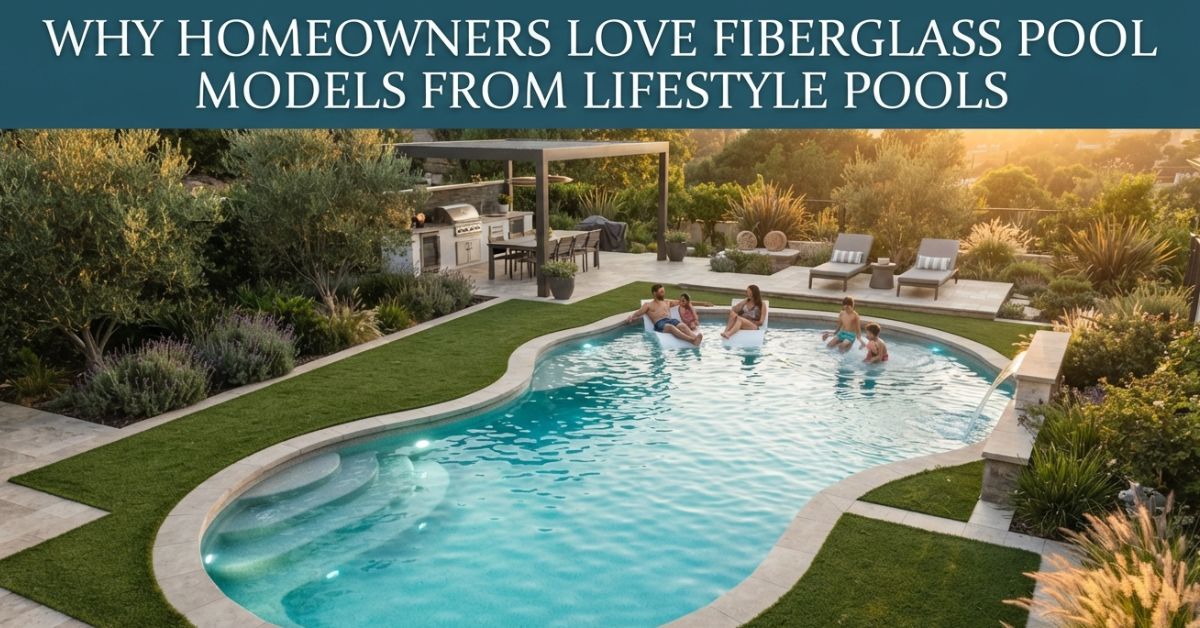
Small, oddly shaped, or sloped yards often work better withabove-groundd pools, since in-ground installation on tricky terrain can get expensive fast. Wide, flat lots give you more freedom; that’s usually where the best pool type for backyard entertaining turns out to be a custom fiberglass in-ground design, with room for lounging, a tanning ledge, or a water feature. Suppose your family swims constantly rather than occasionally; lean toward in-ground. If pool ownership still feels a little experimental, above-ground buys you time to decide.
Maintenance, Longevity, and the Stuff Nobody Mentions Upfront
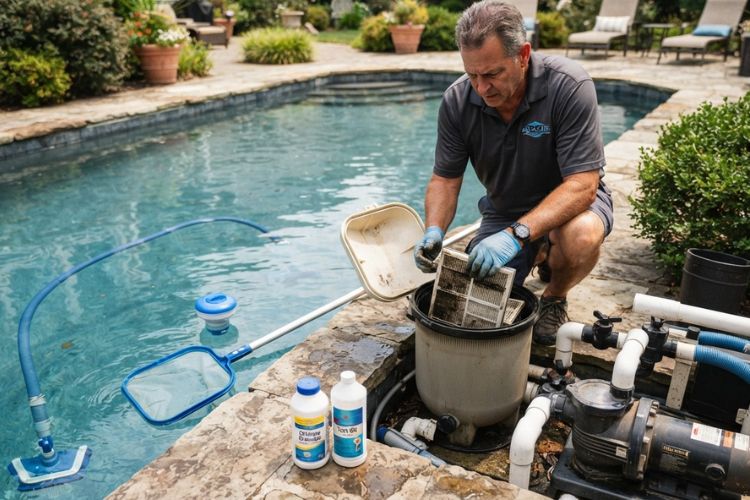
When it comes to maintenance, longevity, and things that no one mentions at the very beginning.
Above-ground pools will have to replace their parts in a short time, including their liners, ladders, and filter systems. This is because the materials used in both construction and manufacturing processes of this type of pool are not intended to last for many years, just to save on production costs.
Once your pool is in and filled, it’s worth thinking ahead to how you’ll actually use it. Plenty of owners choose to install pool accessories like lighting, automatic covers, or heating systems not long after, decisions that are far easier to plan around with a permanent in-ground structure than a seasonal above-ground one.
So Which One Wins?
No matter what side you are leaning toward between an above-ground vs. in-ground pool, remember that the price is not the only factor at hand. Above-ground pools have the upper hand in terms of versatility and cost efficiency, while in-ground pools have the advantages of longevity and general aesthetic appeal.
If you are merely checking things out, going with an above-ground pool is a safer choice. However, if you are putting up a house you intend to live in for years or even sell in the future, opting for an in-ground pool would usually be the better choice overall.
FAQs
In the above-ground vs inground pool debate, which is the better investment?
For the sake of value in relation to resale, inground pools usually bring success. One of the advantages of fiberglass inground pools is that they last longer than the typical above-ground pool.
How much does an inground pool cost compared to above ground?
An in-ground pool costs more in the short run as compared with an above-ground pool; however, prices of the two types can be more similar due to the construction of fiberglass material.
Do above ground pools add home value?
Typically not. Many buyers consider above-ground pools temporary rather than as permanent installations, which is why above-ground pools do not really add to the price of a house in the same way as inground pools do.
Which pool type is easier to maintain?
In general, inground pools need less work to maintain since the surface is less prone to algae. However, the above-ground pool option requires more frequent changing of the pool cover and its parts.